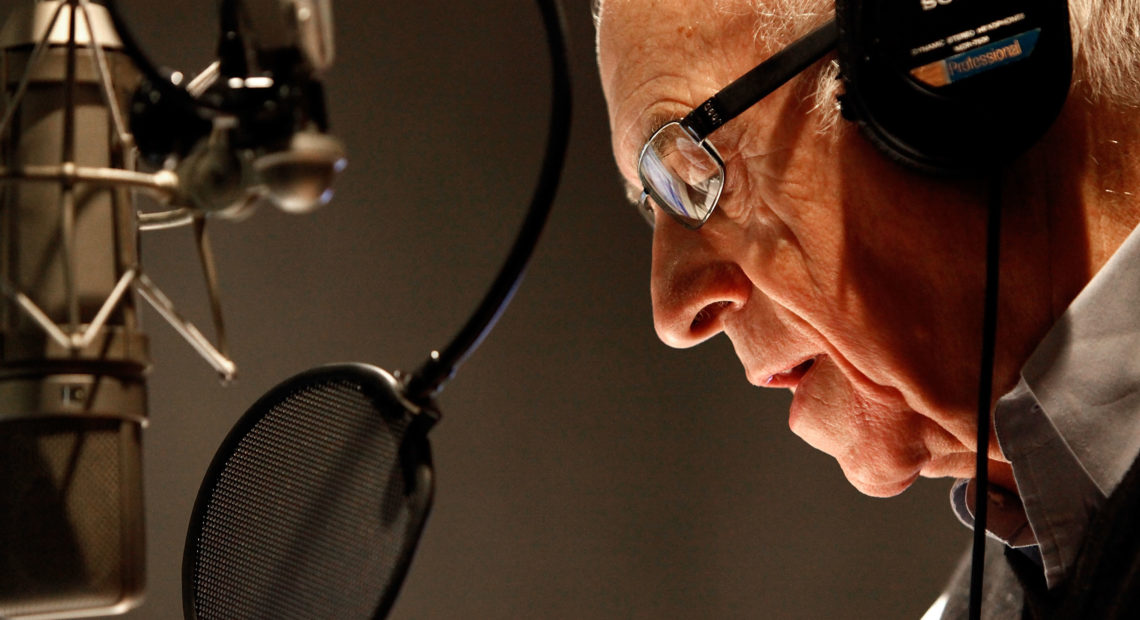
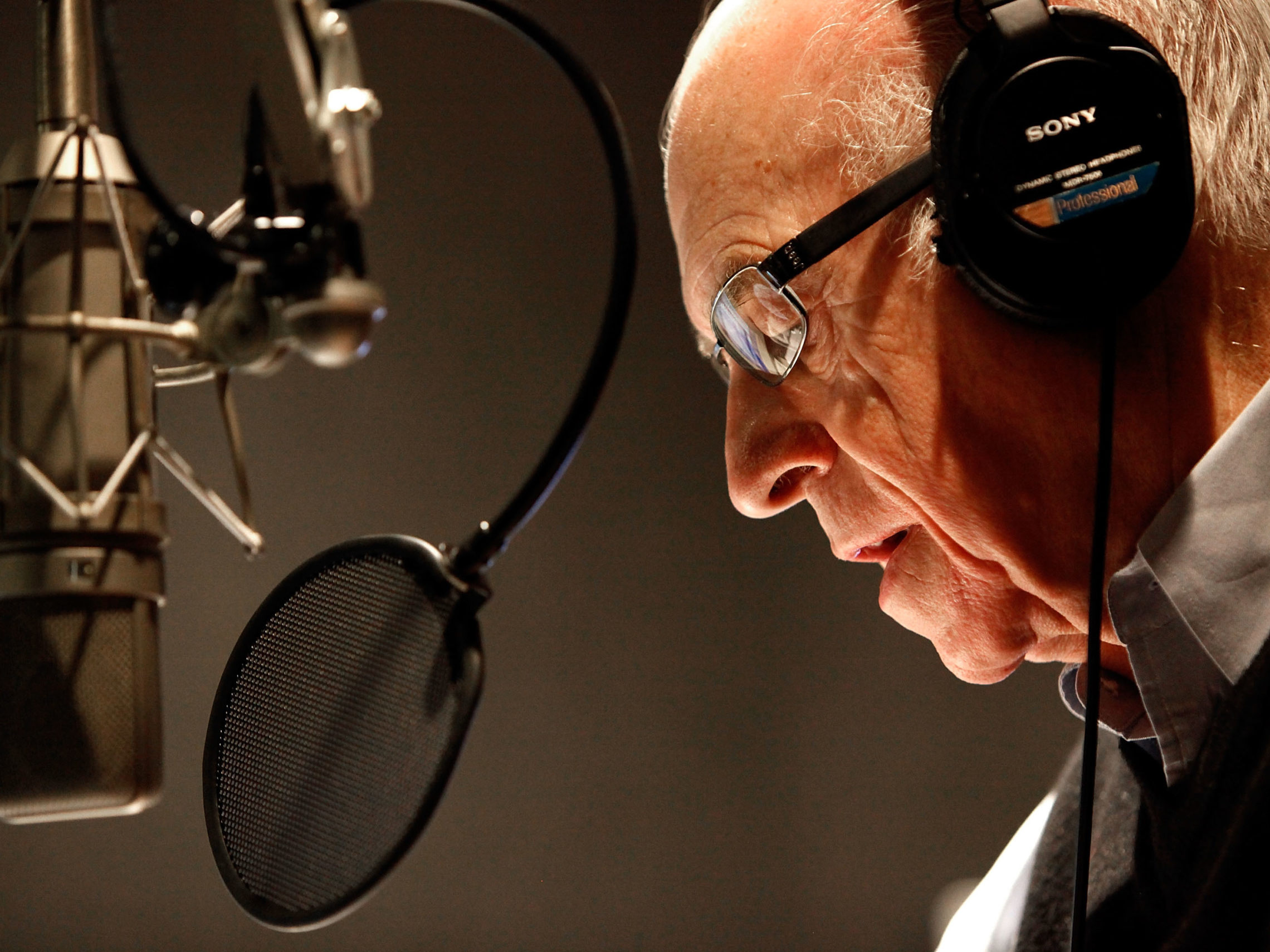
NPR Newscaster Carl Kasell Dies At 84, After A Lifelong Career On-Air
BY NEDA ULABY
Every weekday for more than three decades, his baritone steadied our mornings. Even in moments of chaos and crisis, Carl Kasell brought unflappable authority to the news. But behind that hid a lively sense of humor, revealed to listeners late in his career, when he became the beloved judge and official scorekeeper for Wait Wait… Don’t Tell Me! NPR’s news quiz show.
Kasell died Tuesday from complications from Alzheimer’s disease in Potomac, Md. He was 84.
He started preparing for the role of newscaster as a child. “I sometimes would hide behind the radio and pretend I was on the air,” he said in 2009, remembering his boyhood in Goldsboro, N.C.
He also used to play with his grandmother’s windup Victrola and her collection of records. “I would sit there sometimes and play those records, and I’d put in commercials between them,” he recalled. “And I would do a newscast just like the guy on the radio did.”
Kasell became a real guy on the radio at age 16, DJ-ing a late-night music show on his local station.
At the University of North Carolina, Kasell was, unsurprisingly, one of the very first students to work at its brand-new station, WUNC. After graduation he served in the military. But a job was waiting for him back home at his old station in Goldsboro. He moved to Northern Virginia to spin records but a friend persuaded him to take a job at an all-news station.
“I kind of left the records behind,” Kasell said. “It came at a time when so much was happening; we had the Vietnam War, the demonstrations downtown in Washington, the [Martin Luther King] and Bobby Kennedy assassinations. And so it was a great learning period even though [there were] bad times in there.”
In 1975, Kasell joined NPR as a part-time employee. Four years later, he announced the news for the first broadcast of a new show called Morning Edition. Over three decades, he became one of the network’s most recognized voices.
Bob Edwards, Morning Edition’s former host, says he relied on Kasell, especially on days such as Sept. 11, when news broke early. “That morning and a thousand others, awful things happened in the morning,” Edwards says.
Sure, Edwards was the morning host, but he says Kasell was — in every way — its anchor. “Seven newscasts, every morning … nobody in the business does that,” Edwards said. “That is incredible.”
And then came a surprise second act; after decades of being super-serious, Kasell got a chance to let his hair down as the official judge and scorekeeper for Wait Wait… Don’t Tell Me!
Host Peter Sagal says no one could have guessed that Kasell would be so funny. “The greatest thing about Carl was anything we came up with, he was game,” Sagal says. “When we were in Las Vegas, we had him come onstage in a showgirl’s headdress. No matter what we asked him to do — silly voices, or weird stunts; we had him jump out of a cake once to make his entrance onstage — he did it [with] such joy and such dignity.”
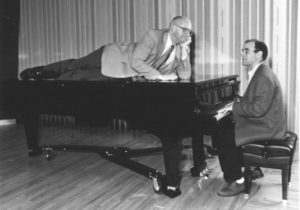
Kasell decides to take a publicity photo shoot up a notch while Wait Wait… Don’t Tell Me! host Peter Sagal tickles the ivories. CREDIT: WAIT WAIT…DON’T TELL ME/NPR
At the beginning, Wait Wait didn’t have a budget for actual prizes, so the “prize” for listeners was to have Kasell record the outgoing message on their answering machines. He ended up recording more than 2,000 messages. (You can hear some favorites below.)
Kasell may have been known for his measured, on-air newscast persona, but behind the scenes, the kind, witty newsman had plenty of surprises. He loved magic tricks, and at one memorable company holiday party, he sawed Nina Totenberg in half.
“We laid her out on the table, got out that saw and grrrr … ran it straight through her midsection,” he recalled. “She said it tickled and she got up and walked away in one piece.”
In all that he did, Carl Kasell was magic.

Kasell unleashes his powers in the lobby of NPR’s headquarters in Washington, D.C. CREDIT: KATIE BURK
Hear Some Of Kasell’s Outgoing Voicemail Messages
Copyright 2018 NPR

Yakima Libraries celebrate Día, a children and books day
Libraries in the Yakima Valley will celebrate Día, a children and books day, on Saturday. The event fosters multiculturalism, languages and reading, while promoting childhood importance and well-being. Continue Reading Yakima Libraries celebrate Día, a children and books day
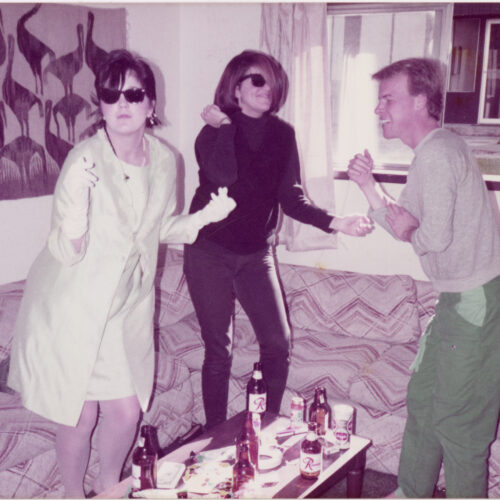
‘Higher Ground’ exhibit explores queer life on the Palouse
A new exhibit of queer art and ephemera at Washington State University is showcasing LGBTQ+ lives and experiences in the rural Palouse region.
Continue Reading ‘Higher Ground’ exhibit explores queer life on the Palouse
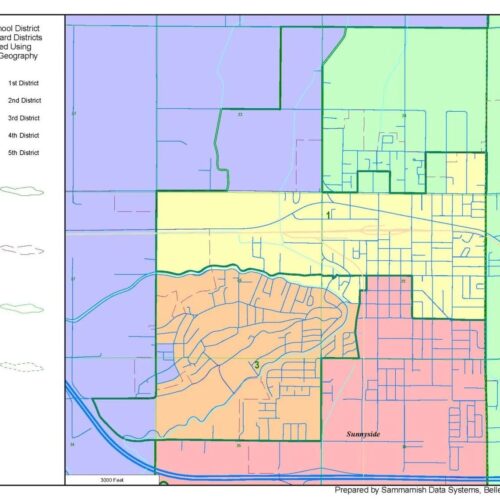
ACLU to challenge Sunnyside School District Board elections
The Sunnyside School District Board could be the next jurisdiction to face a lawsuit for violating the Washington State Voting Rights Act. A group has notified the District that the election system dilutes the Latino vote, and if it’s not fixed, the District could end up in court. Continue Reading ACLU to challenge Sunnyside School District Board elections